
Our Backyard
Lower Hutt
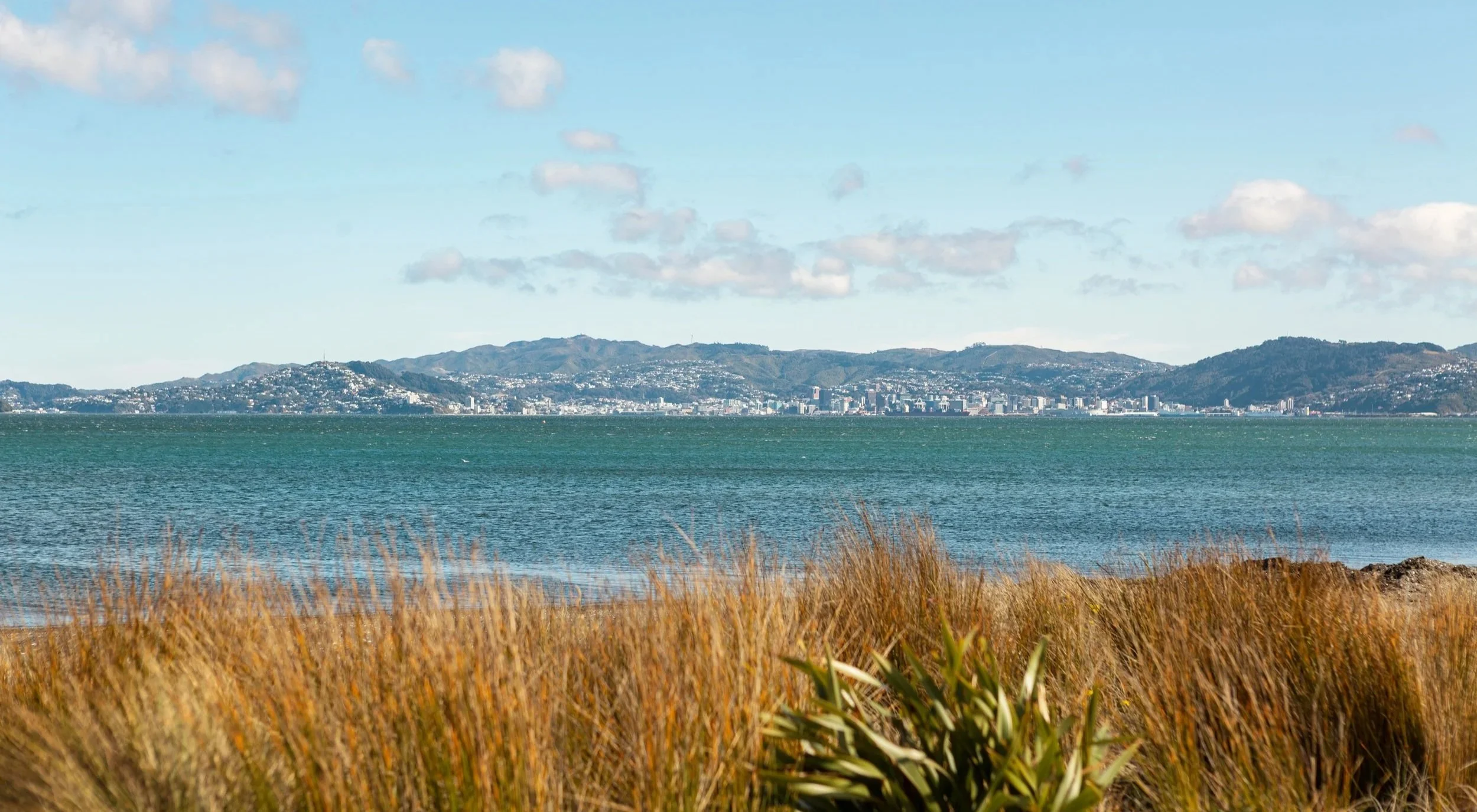
Petone, Wainuiomata, Eastbourne and the lower river valley suburbs come together to form Lower Hutt, or simply “the Hutt” to locals.
Sitting across the harbour from Wellington, Lower Hutt is known for its easy access to the outdoors, strong local food scene, and relaxed, welcoming feel.
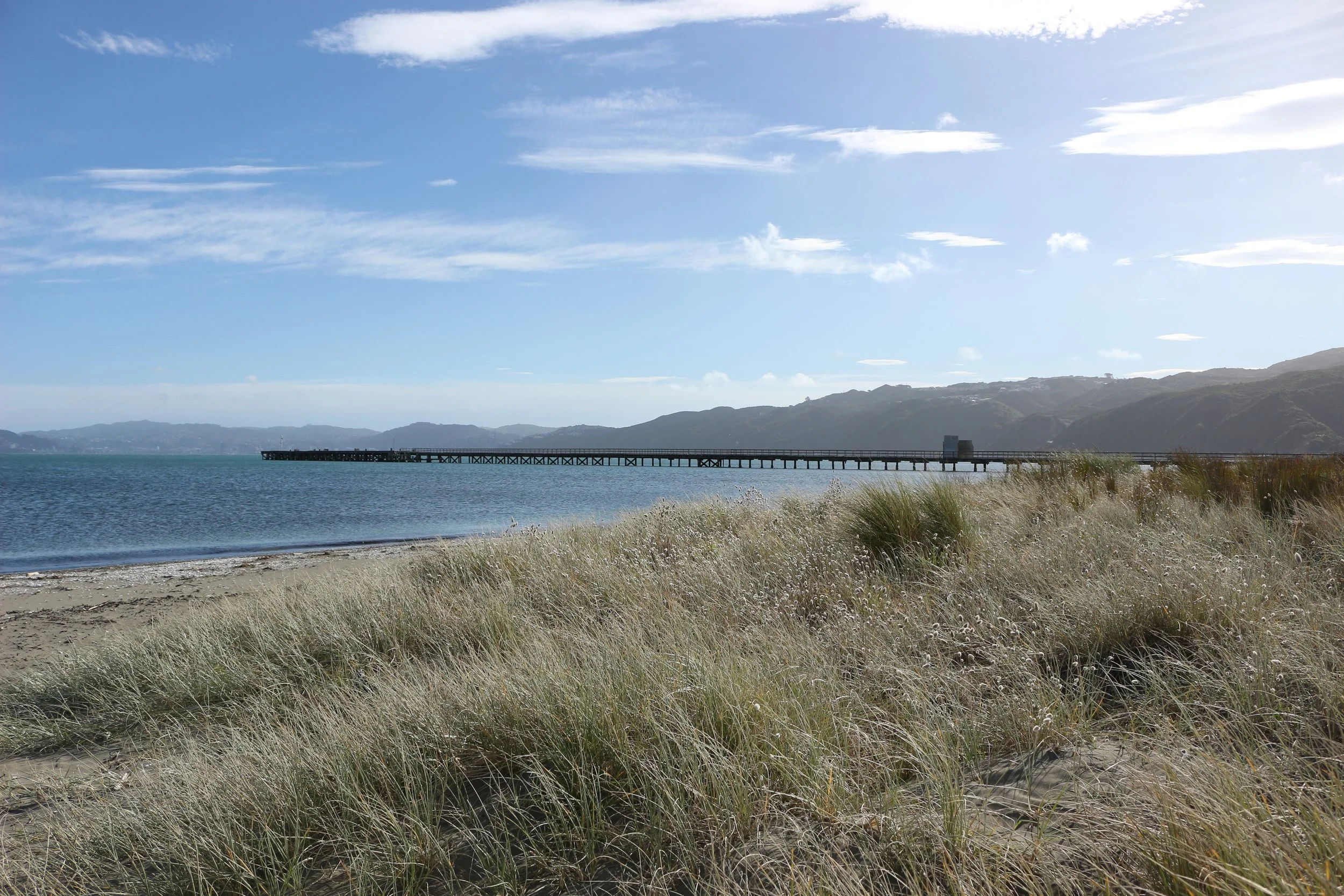
Part of the wider Wellington region, the Hutt combines coastal bays, river trails, bush-covered hills and neighbourhood centres, all within a short drive or train ride. You can arrive by road or rail, or take the scenic ferry across the harbour to Eastbourne.
Once here, it’s easy to settle into the rhythm.
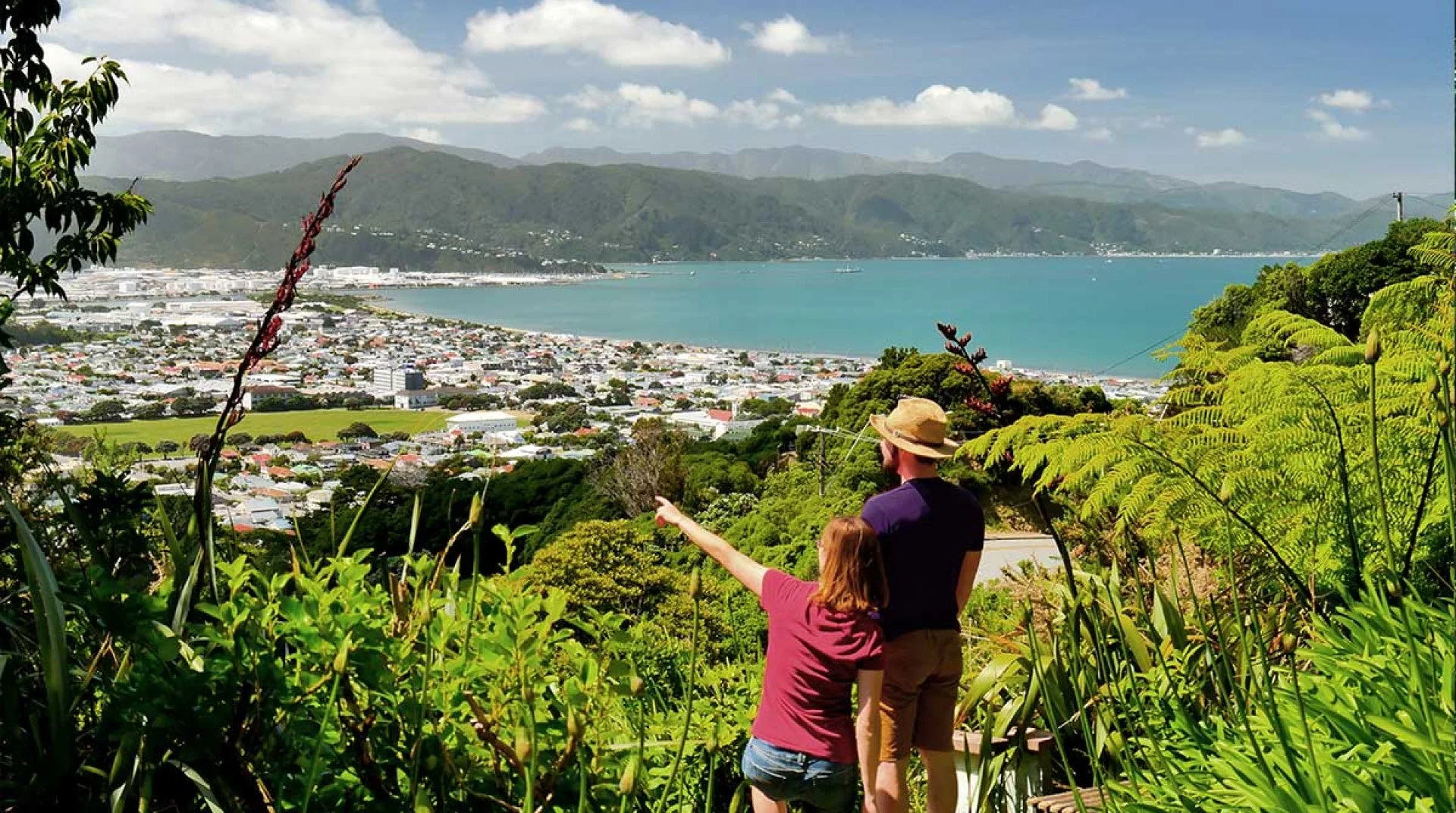
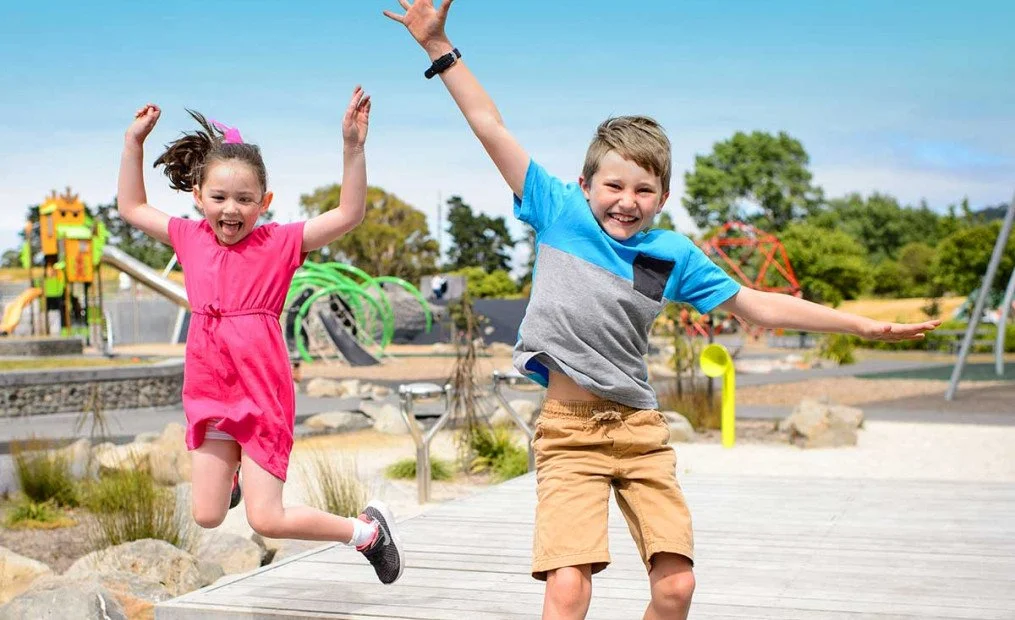
Explore the Western Hills for bush walks and big views, or follow the river along the Hutt River Trail. Families can spend hours at Avalon Park, while short walks like Percy Scenic Reserve offer waterfalls, native bush and easy adventure.
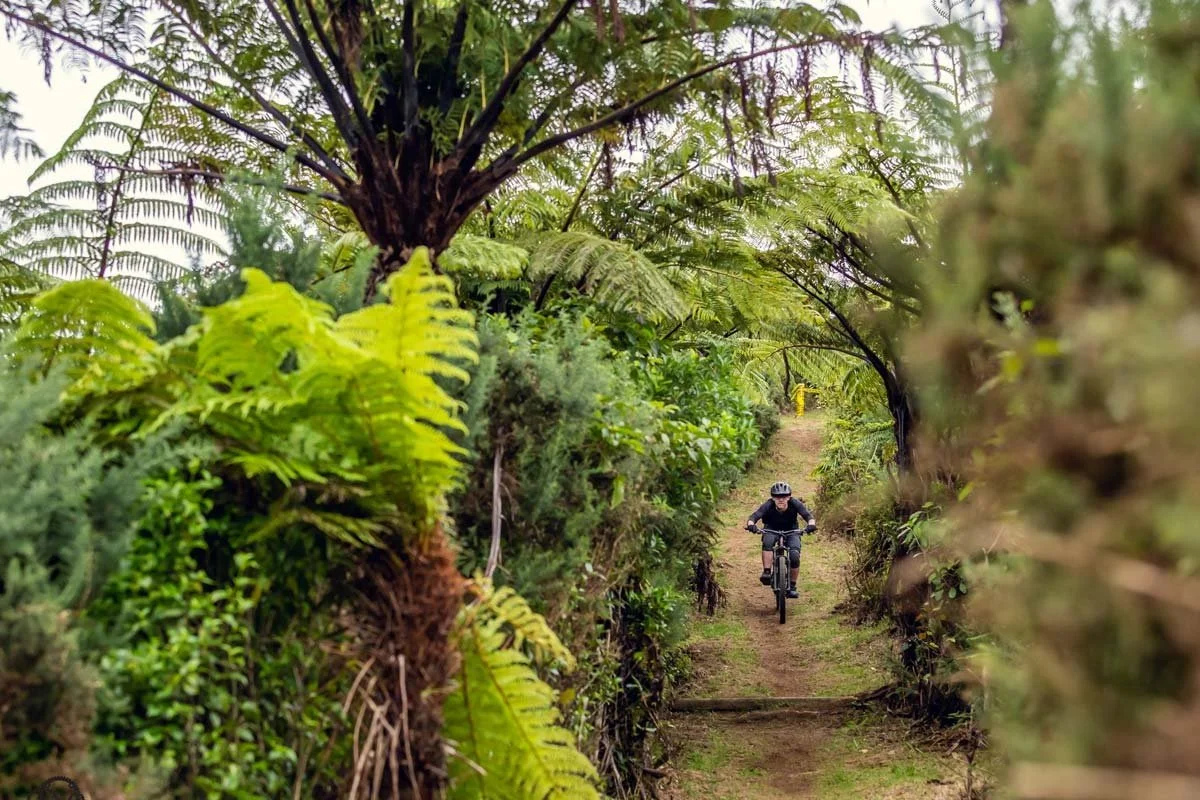
For a bigger hit of the outdoors, Belmont Regional Park delivers everything from quick loops to more challenging tracks.

The Hutt is just as strong on food. With access to fresh produce, seafood and local makers, the café and dining scene is packed with quality, from casual bites to standout local favourites like The Butcher and Brewer.
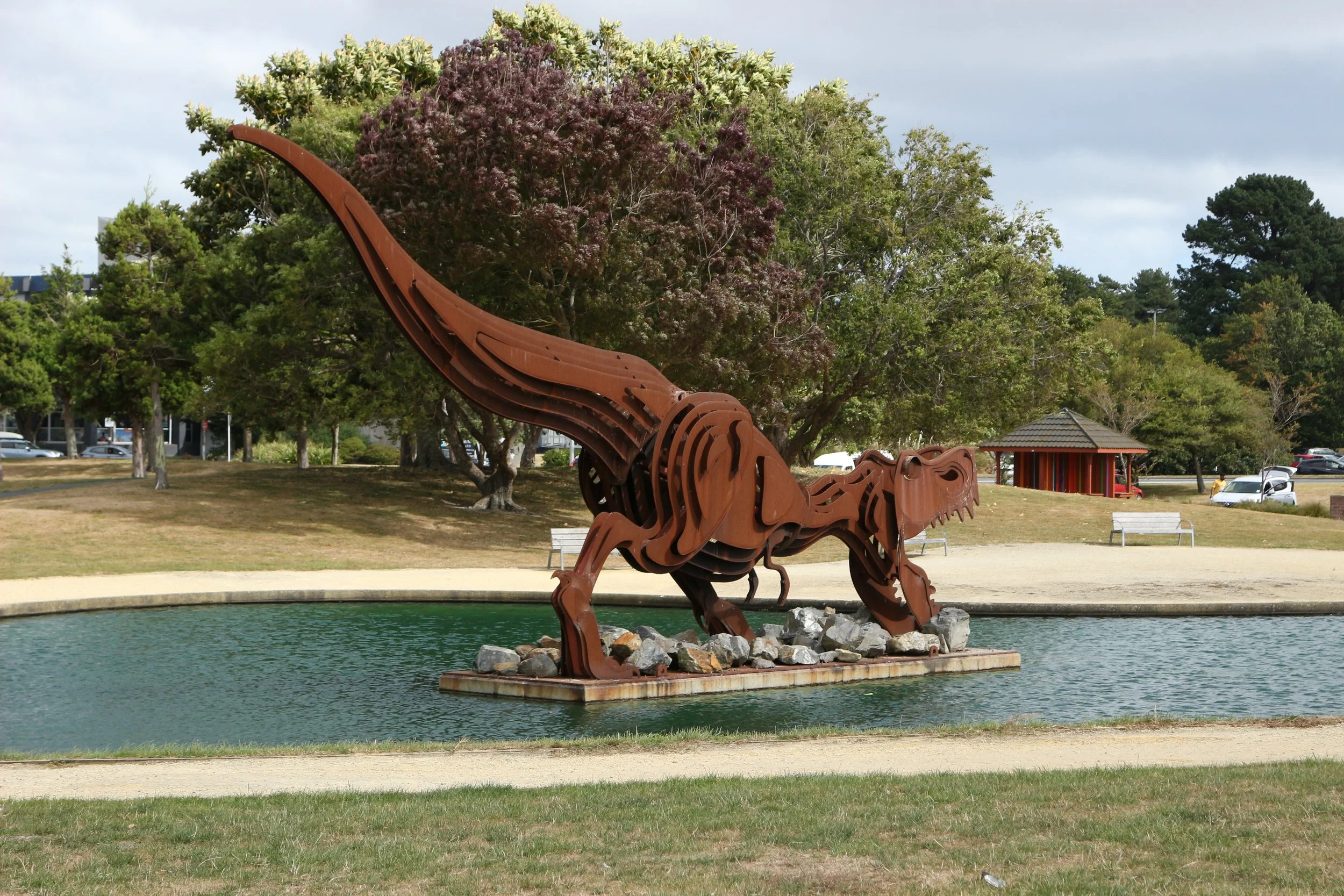
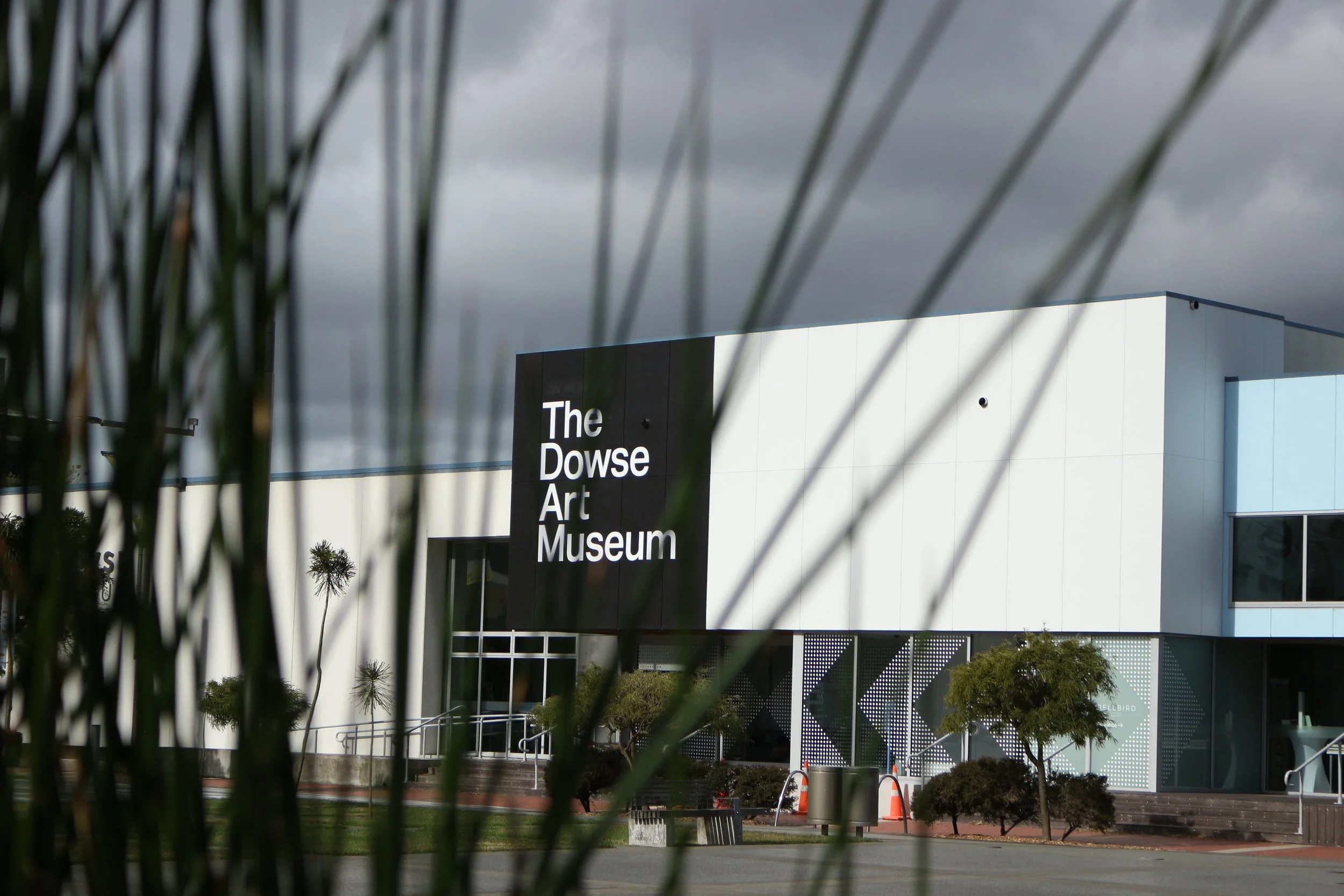
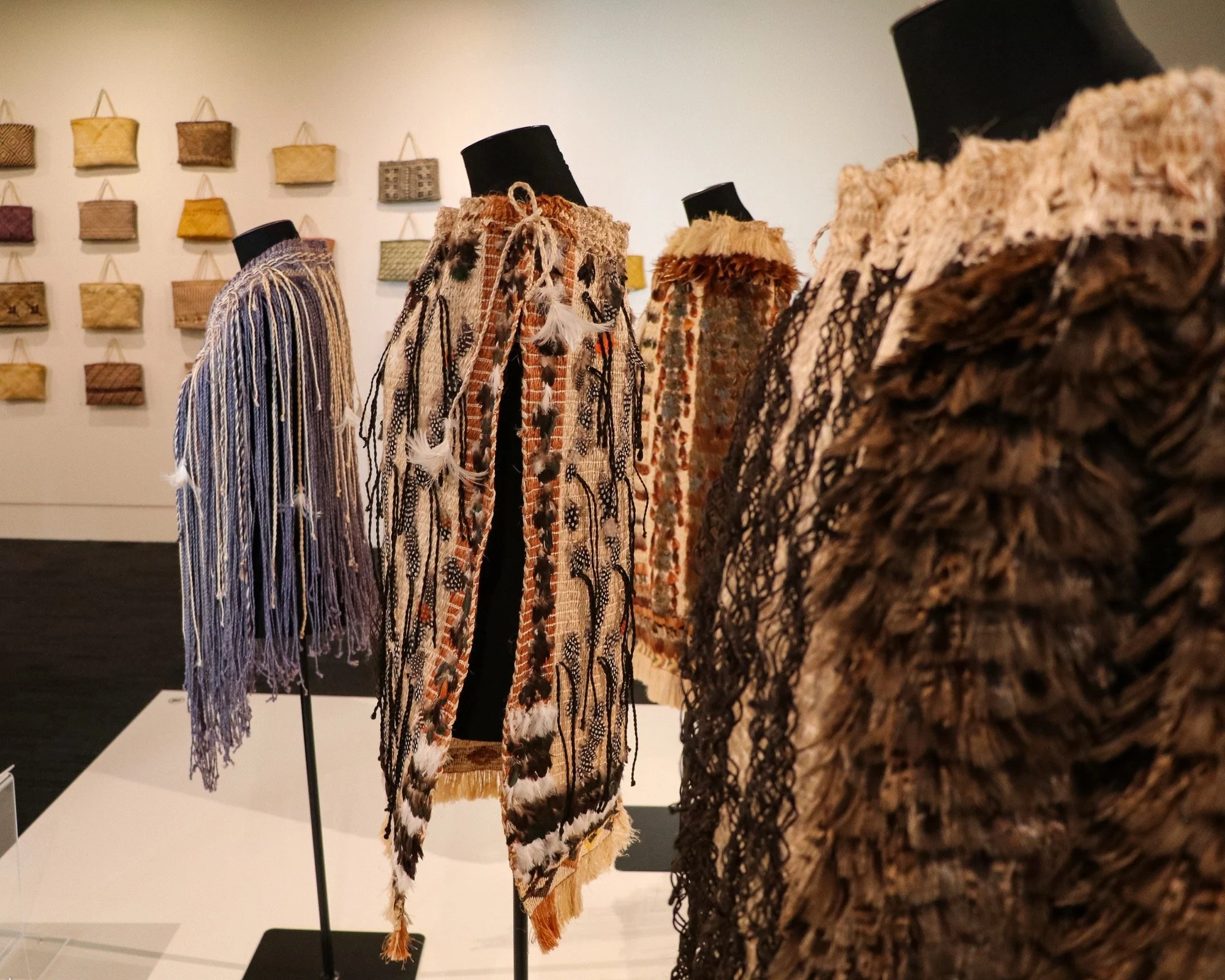
At the centre of it all, The Dowse Art Museum brings together art, craft and design in a way that feels accessible and distinctly local. Stop in, then grab a coffee at Bellbird Eatery before heading back out.
Each suburb brings something different, the coastal calm of Eastbourne, the wild edge of Wainuiomata, and the food and culture hub of Petone.
Put together, it’s a place that’s easy to get to, easy to move around, and full of things worth discovering.
Eastbourne and Days Bay
Discover colourful cafes and art galleries, sunny seaside neighbourhoods, and bush walks with harbour views and the iconic Pencarrow Coast.
Houses perch on hills to make the most of water views, swimmers jostle for the best shady spots and compare notes on their favourite bays, and waterfront tracks attract runners and cyclists year-round. Life around here is all about the harbour.
The coastline of suburban bays and Eastbourne, beautifully sum up the area’s obsession with the ocean. These bays have been a magnet for day-trippers and holidaymakers since the 19th century, and these days it’s easy to head to Eastbourne and Day’s Bay for your ideal warm-weather adventure.
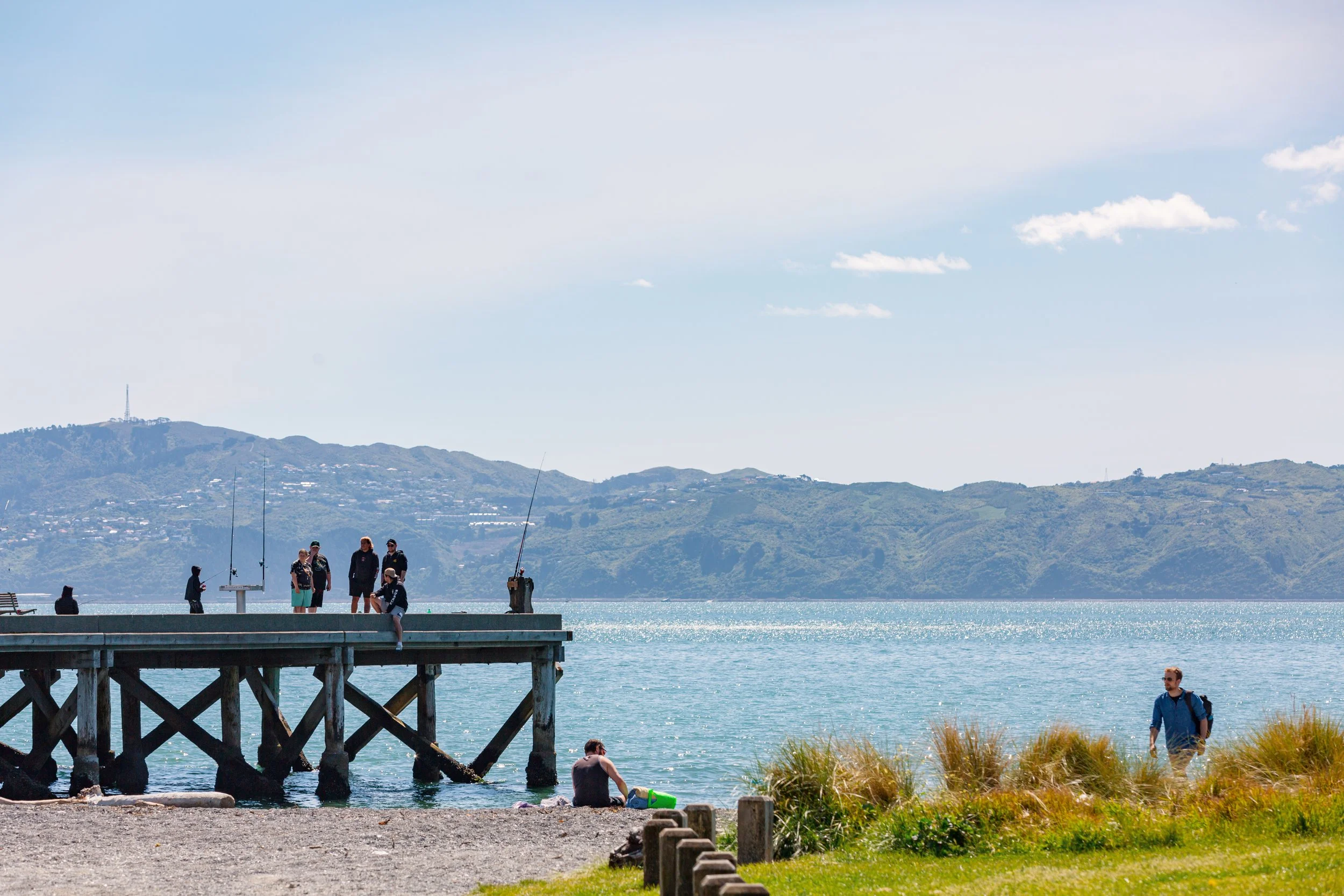
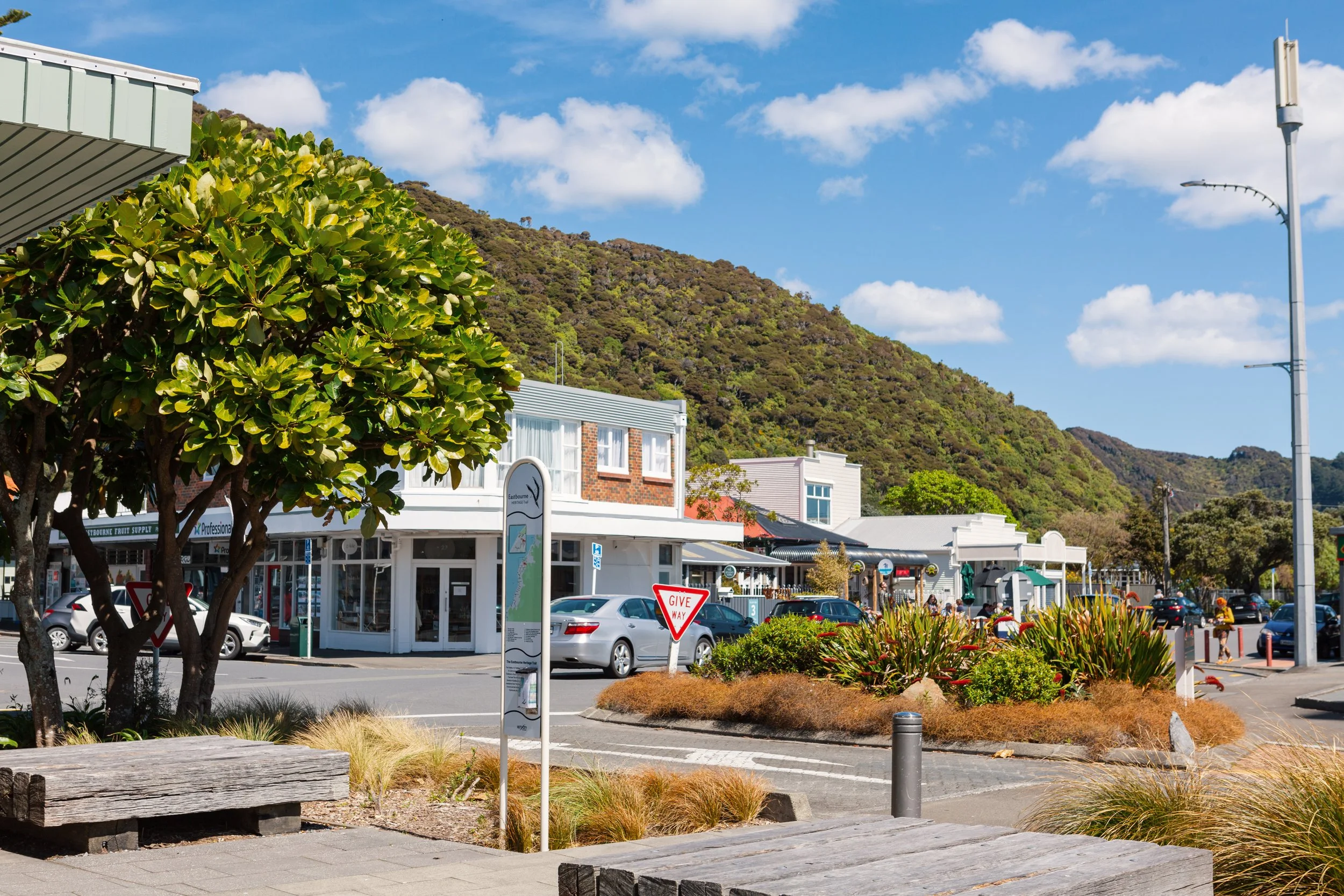
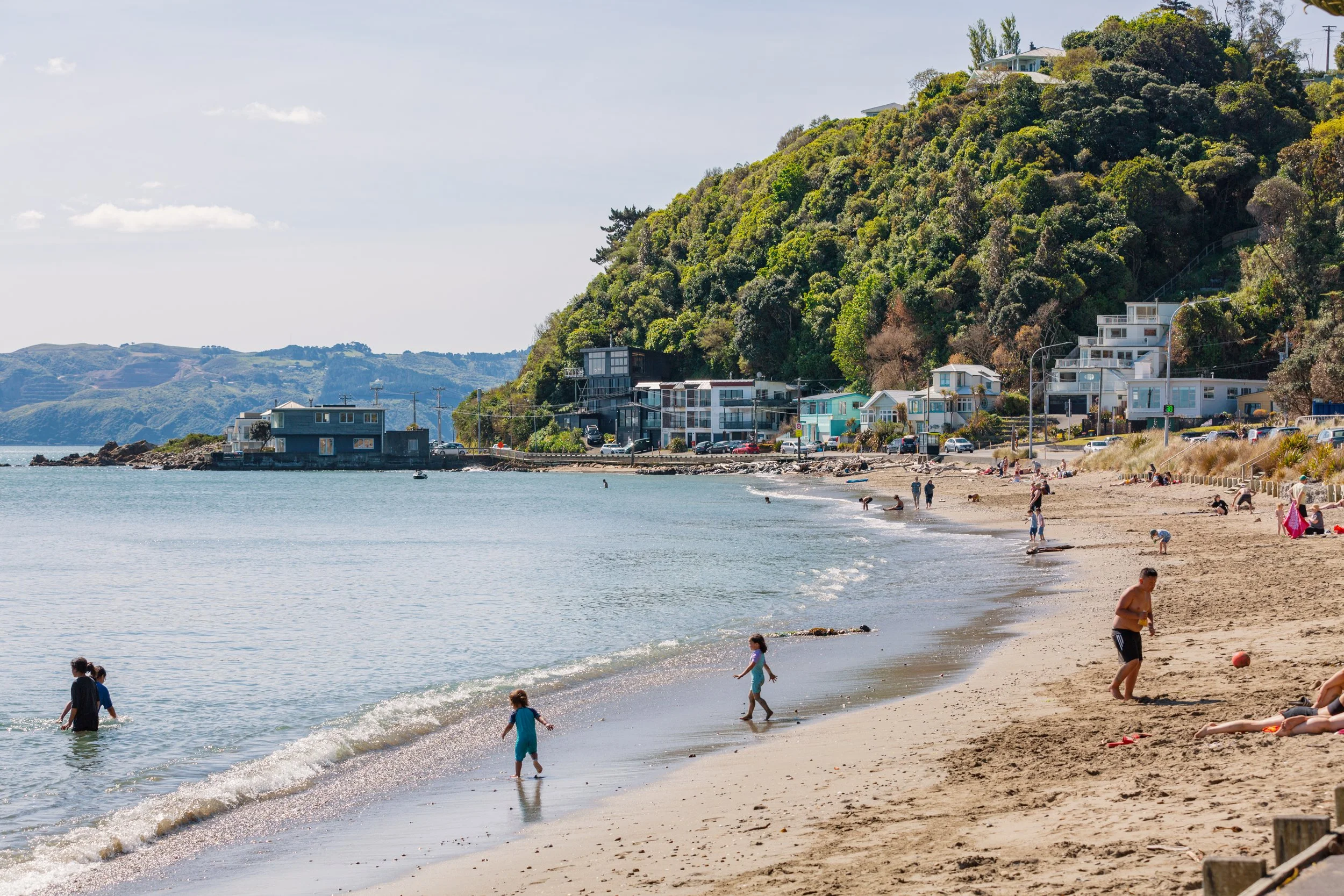
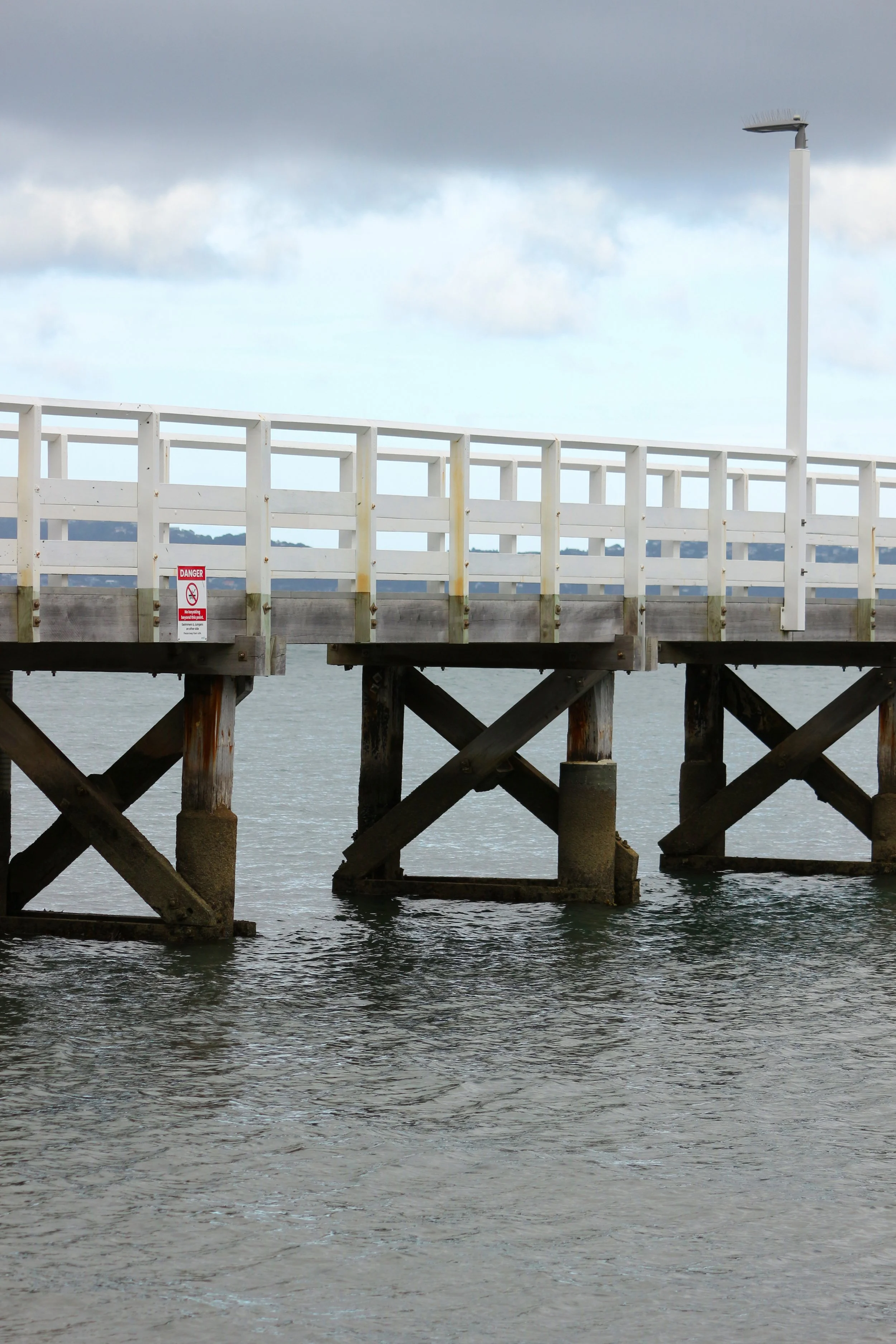
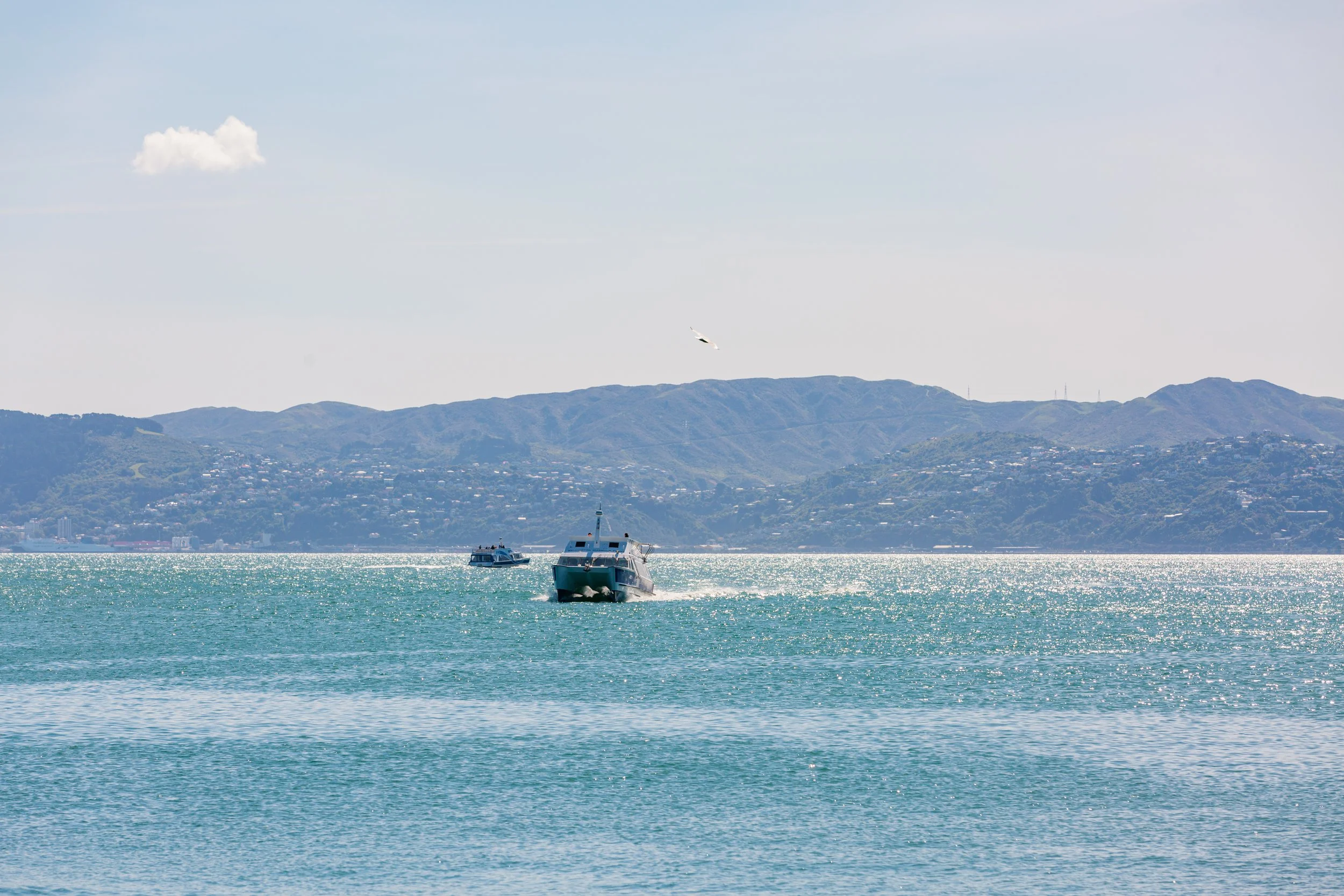
Naturally, the best way to get from Wellington City to the Eastern Bays is on the water itself.
The East by West Ferry whisks you over the harbour from downtown Wellington in just 20 minutes, and the idyllic views from on board are a great taste of what’s to come.
You can always take the bus too — the numbers 81 and 83 head right there.
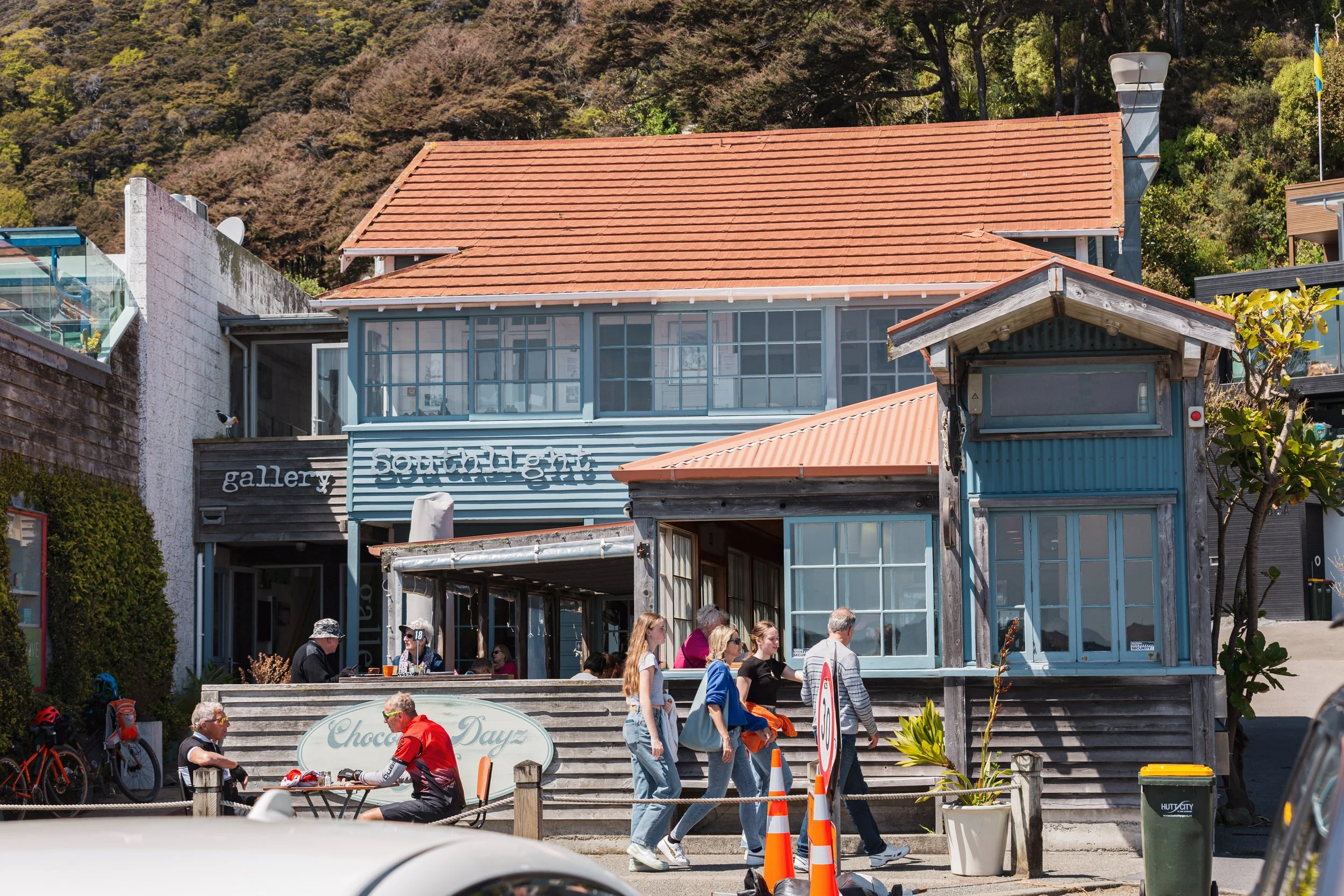
As you approach, you’ll spot the small, picturesque village of Days Bay, with charming cottages scattered along the waterfront at the bottom of dense green slopes. Hop off and fuel up for a day of adventuring. Chocolate Dayz’s chocolate milkshake is a non-negotiable when you’re in this part of Wellington — this Days Bay cafe is a local institution, its shakes and dazzling harbour views attracting those in the know for years.
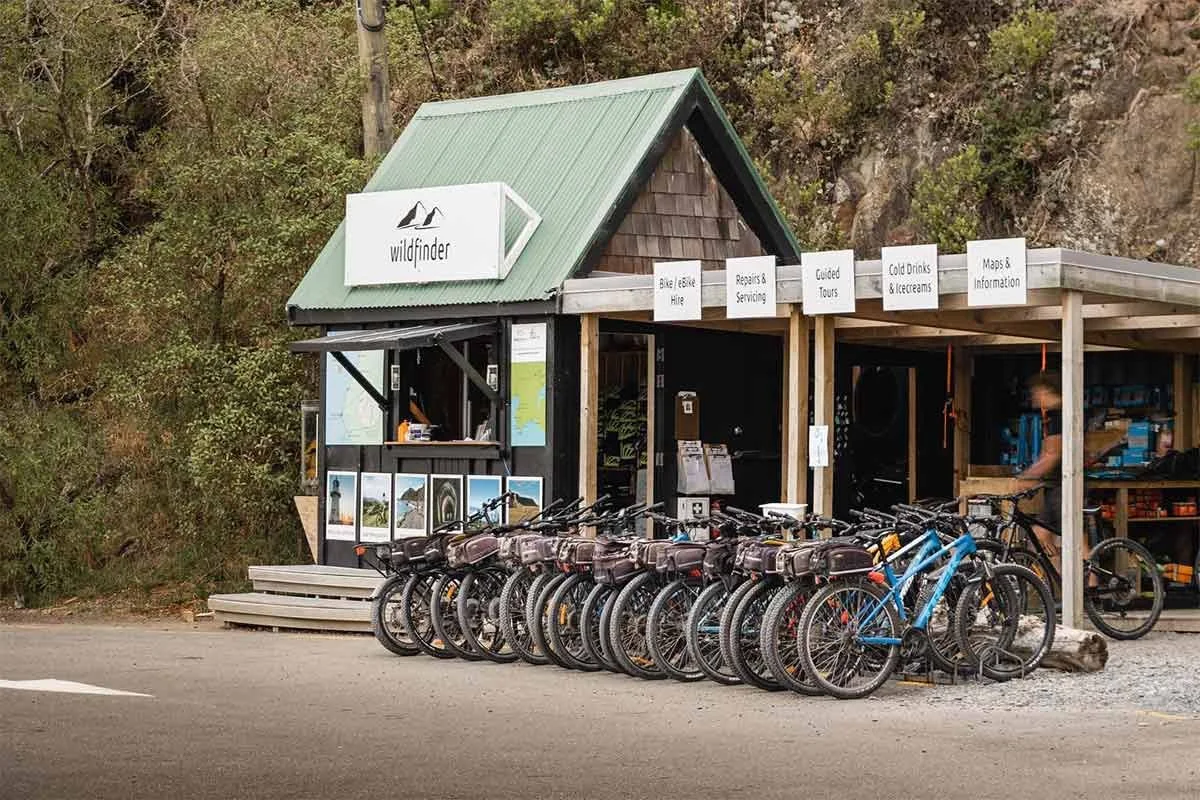
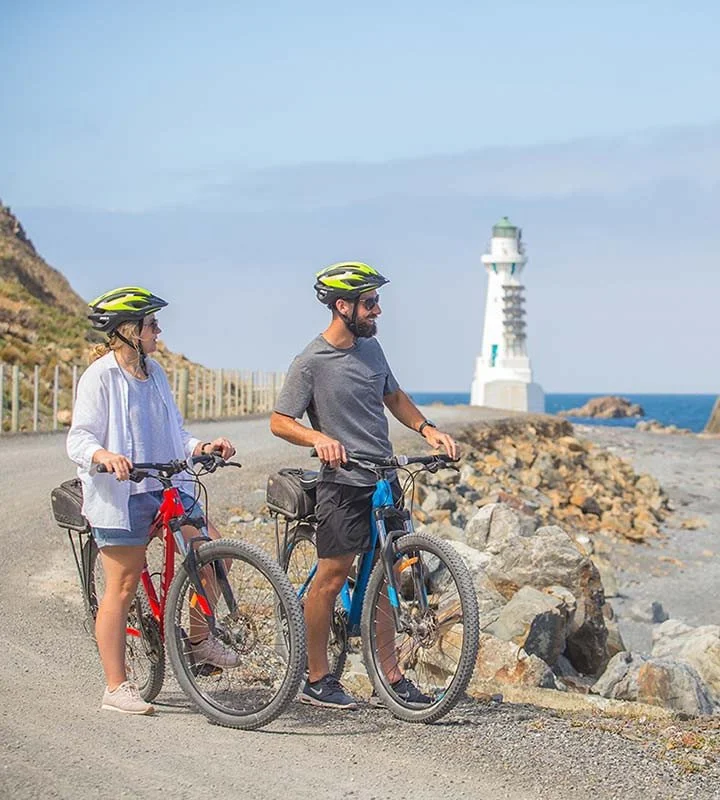
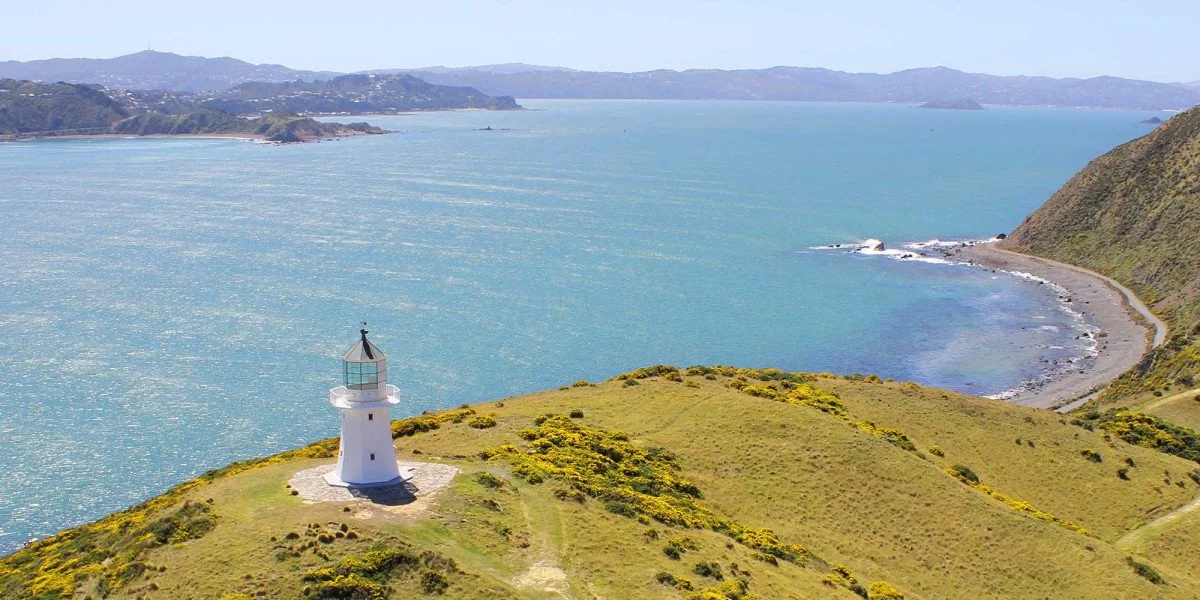
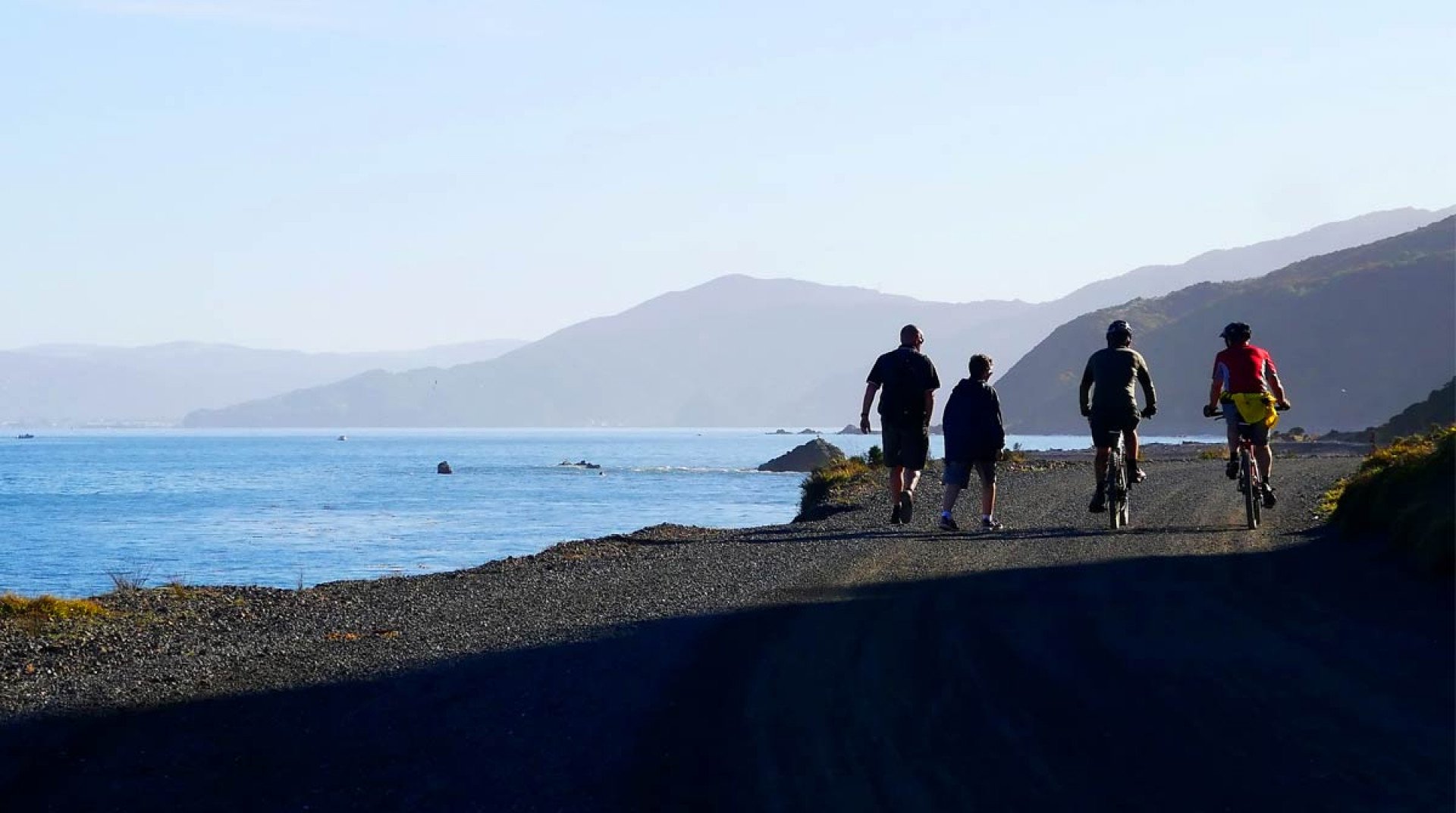
Head to Wildfinder Pencarrow to grab a bike — depending on how much pedalling you want to do, commit to a mountain bike or choose an e-bike for some extra assistance. Cycle about half an hour along the dramatic coastline to Pencarrow Lighthouse.


After all that hiking, you’re bound to be ready for a swim. The wharf at Days Bay has been refurbished for the obligatory wharf jump, for a relaxed paddle or capture that perfect pontoon dive photo nearby for Instagram. Because of Wellington’s unique geography, where the harbour is cut like a keyhole into the bottom of the North Island, its harbours are surprisingly calm (especially for a region renowned for its wind). Resisting the clear, still water will be your biggest challenge here.
After you’ve dried off, the classic post-swim snack is a real fruit ice cream from the Boatshed, but the Eastern Bays also has some great spots for more substantial meals. Picnickers, take note: nearby Marmalade Deli is known for its cakes, pastries and breads, with everything available for takeaway to eat on the waterfront.
The long sunsets are known to keep beachgoers hooked on their recurring last drink as one the last places to see the sun in the region. There’s plenty of bed and breakfasts along the shores and self-contained accommodation with magnificent views.
Once home to New Zealand’s only female lighthouse keeper, it’s now a destination where you’ll enjoy some seriously stunning views out along the harbour. You can even see right across the Cook Strait to the South Island on a good day! If exploring on two wheels isn’t your thing, The Boatshed also has single and double kayaks or stand-up paddle boards for hire.
This area inspired one of New Zealand’s most iconic short stories, At The Bay by Katherine Mansfield, whose childhood was spent holidaying in the area. In 1922 she described “the big bush-covered hills in the back”, and little has changed in the century since: these verdant hills are still ripe for exploring. East Harbour Regional Park has a myriad of established tracks through native forest to pick from, ranging from challenging hikes to relaxed strolls. For those with plenty of energy, head to Butterfly Creek for a walk that offers brilliant views before descending into a lush valley.
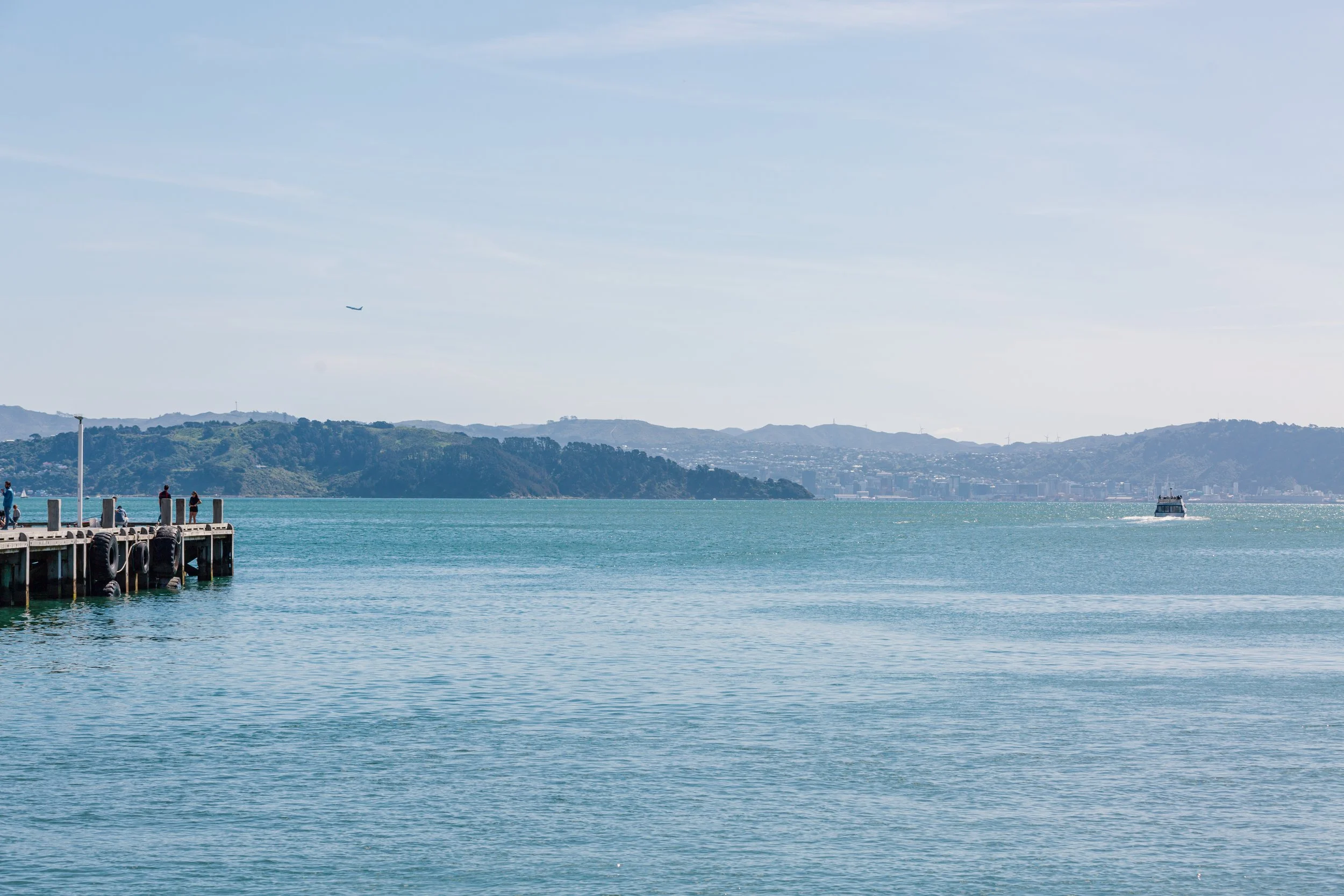
By the time the ferry departs back to central Wellington, you’ll be wishing you didn’t have to leave.
PETONE
Petone is home to coffee roasters, food producers, fashion labels and artisan makers, all keeping its innovative early settler spirit alive.
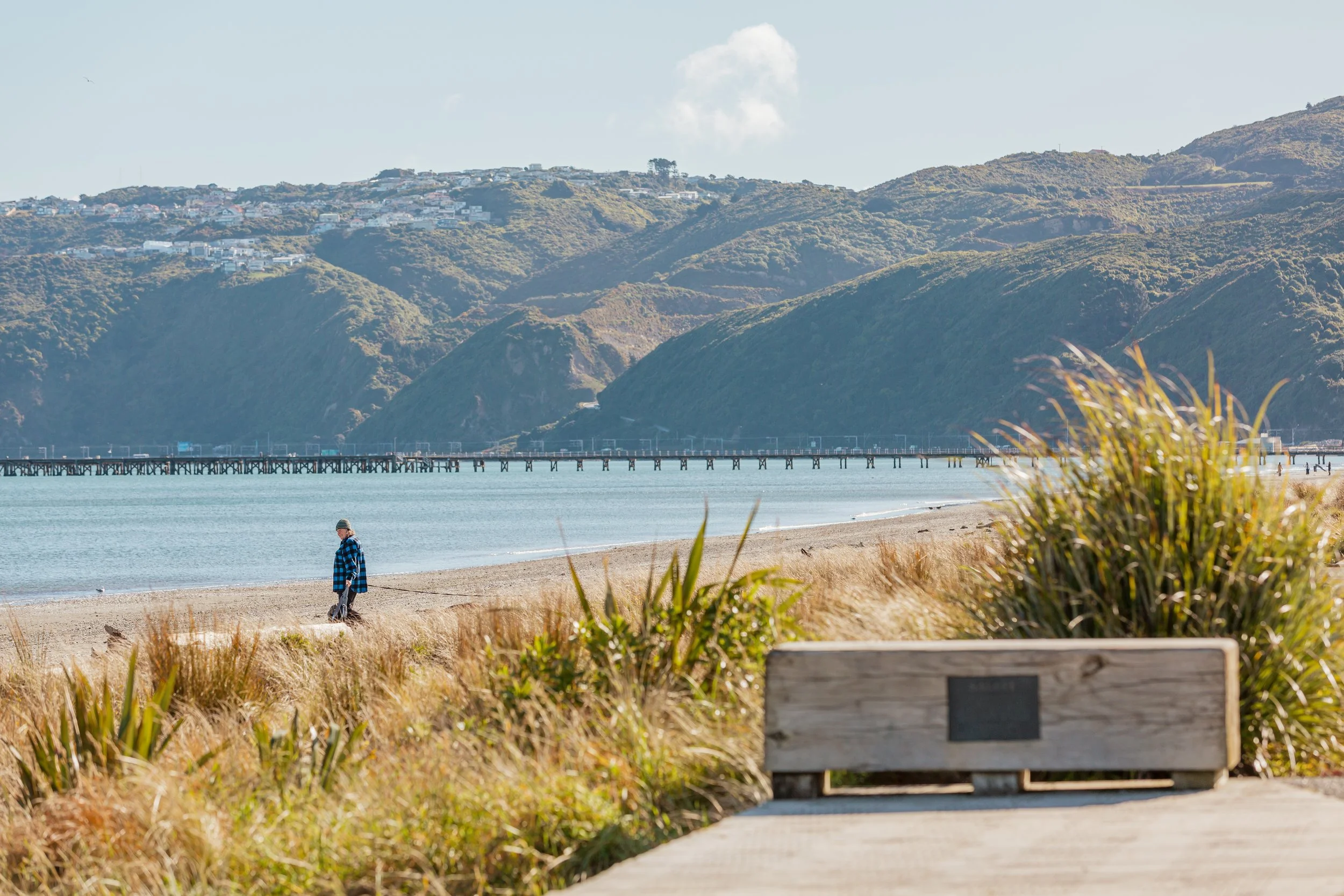
Quaint cottages with manicured front gardens sit alongside reminders of its industrial past, giving Petone a character that feels both historic and current. This is where the Wellington region’s European history begins, but it’s far from stuck in the past. Today, Petone is known for its vibrant food scene, creative businesses and easy access to the coast.
Originally settled in 1840 alongside an existing Māori pā, Petone quickly grew into an industrial hub. That history is still visible today, particularly at Petone Settlers Museum, where you can explore the stories, people and industries that shaped the area.
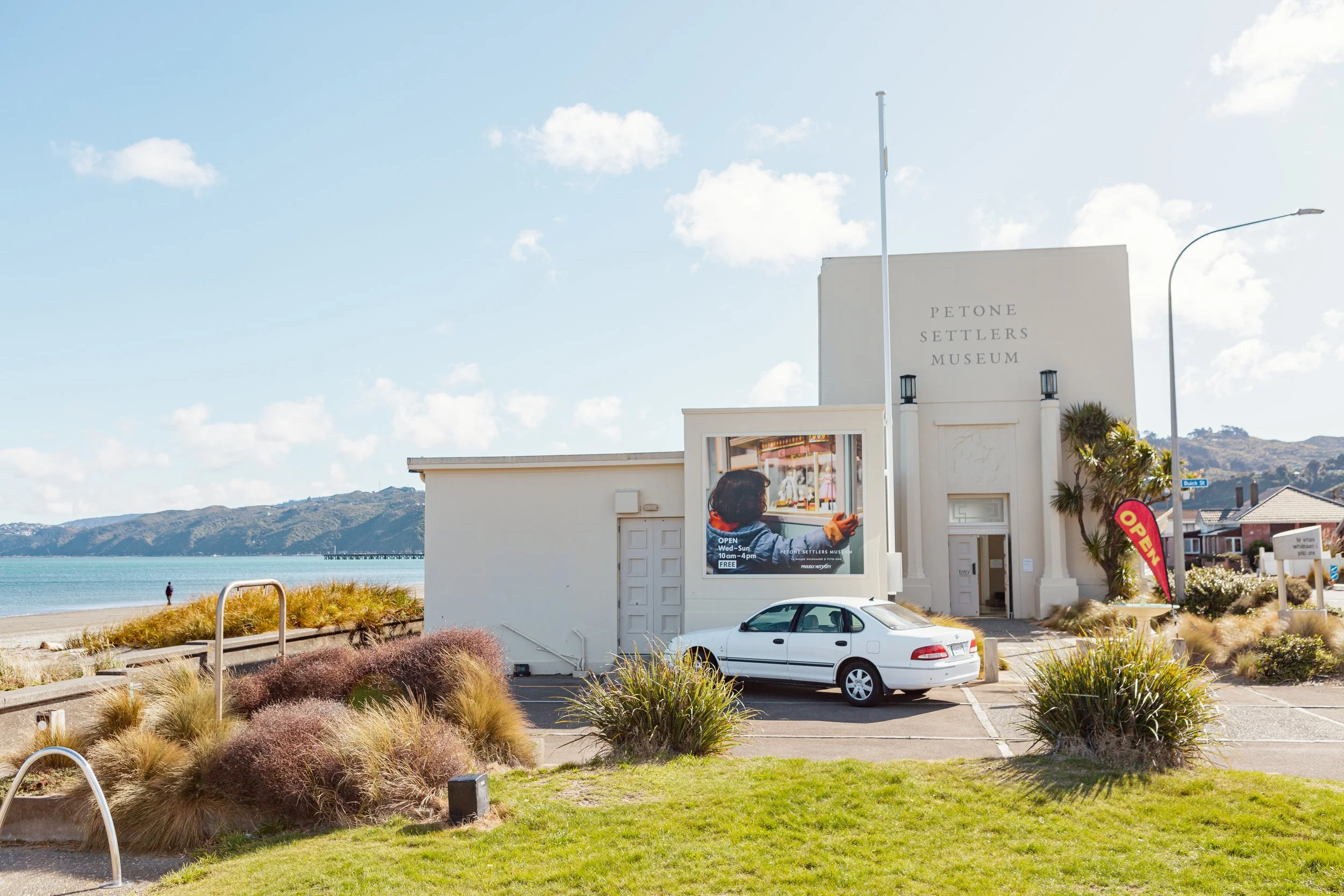
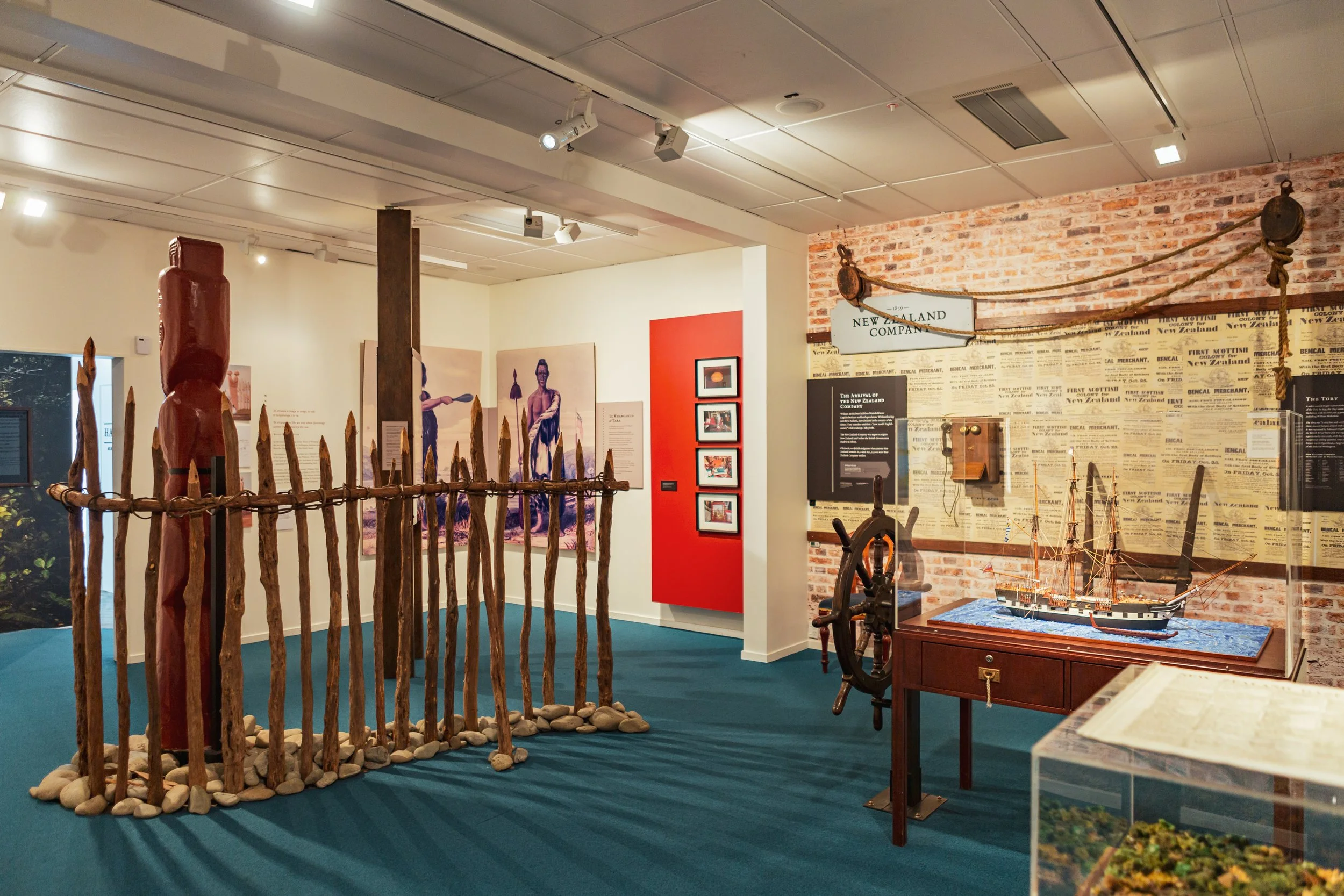
Petone also has its own quirks. At the corner of Buick and Jackson Streets, Te Puna Wai Ora offers naturally filtered spring water that locals regularly come to fill up.
Throughout the year, Jackson Street comes alive with events like the Petone Rotary Fair, transforming the area into a lively mix of food, stalls and entertainment.
What makes Petone stand out is how easily it all comes together. History, food, shopping and the beach all within walking distance.
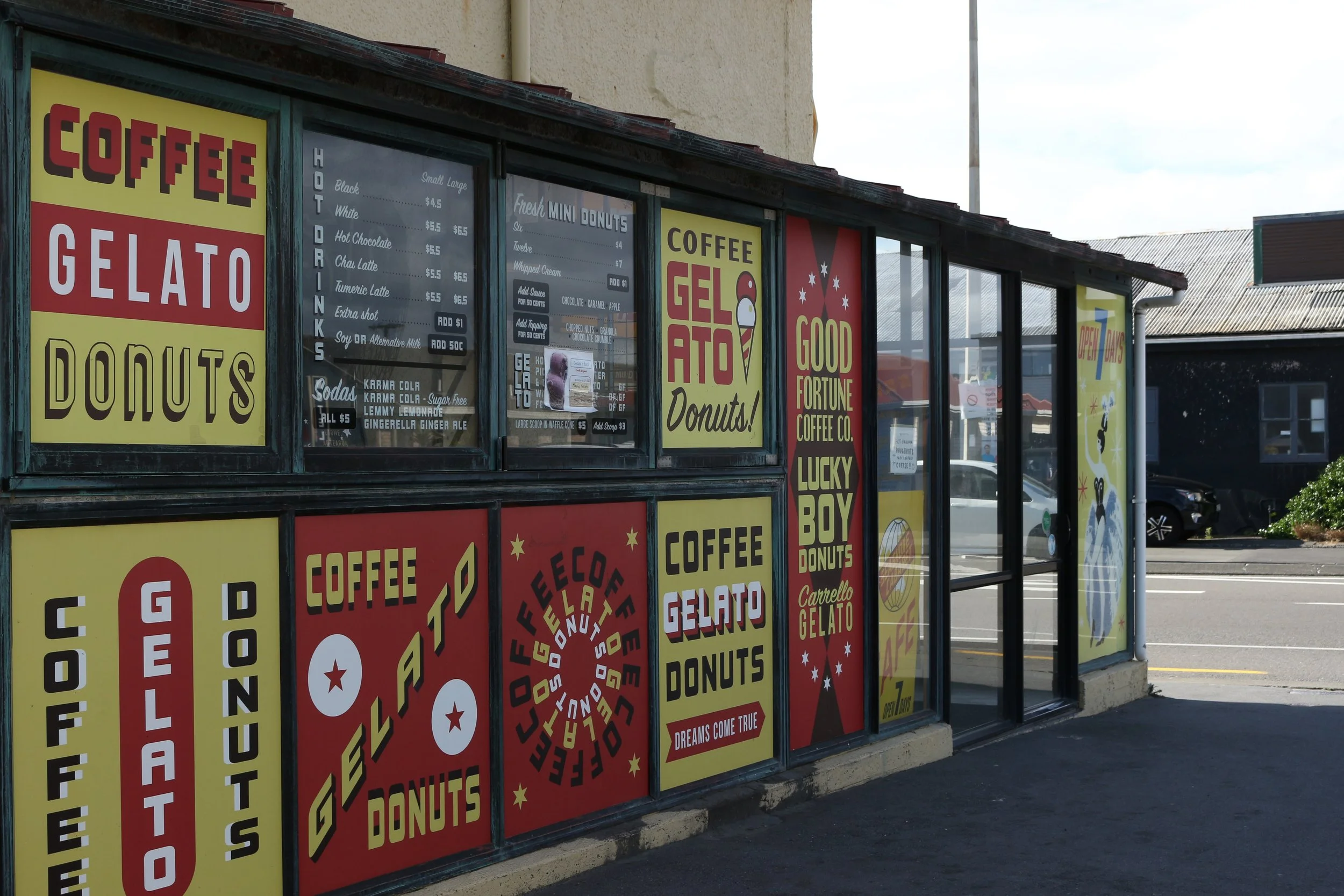
Now, Petone has evolved into one of the region’s most interesting food destinations. Jackson Street runs parallel to the beach and is packed with a mix of global flavours, specialty food stores and independent retailers. From pantry staples to hard-to-find ingredients, it’s a place where locals and visitors come to browse, taste and discover something new.
You’ll often meet the owners behind the counter, ready to share tips, recipes or recommendations. Between the food stops, you’ll find vintage stores, homewares, records and unique local finds.
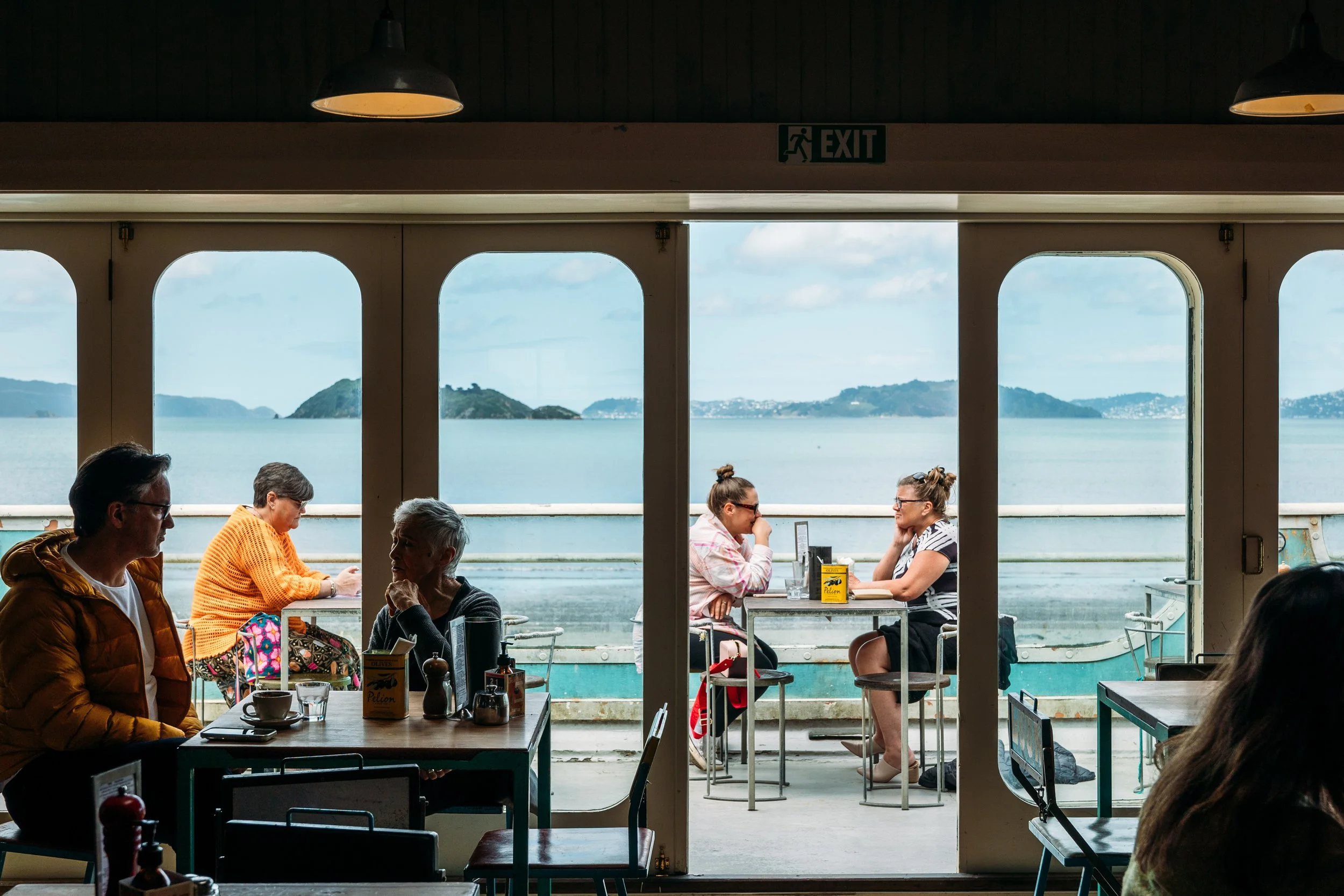
When it comes to eating out, Petone delivers. Seashore Cabaret pairs its menu with standout waterfront views, while other spots along the street offer everything from casual bites to more refined dining.
Come for a wander, stay for something to eat, and you’ll quickly see why people keep coming back.
WAINUIOMATA
Get back to nature in Wainuiomata with forest walks, coastal adventures and wide open space to explore.
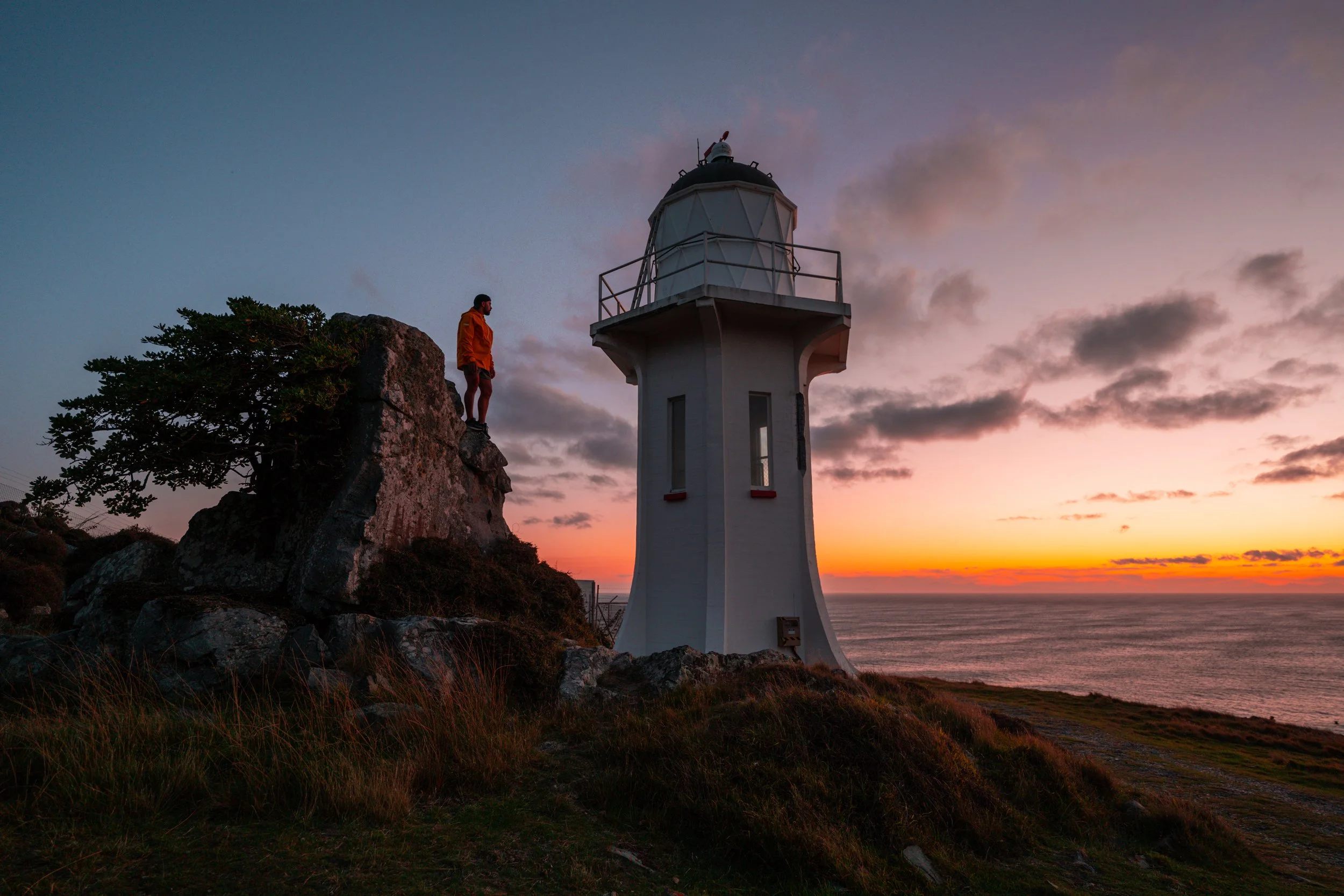
This is where Wellington gets wild. Tucked between bush-covered hills and a rugged coastline, Wainuiomata feels like a true escape, but it’s still within easy reach.
Shaped by powerful natural forces, the area was once dense forest and swampland before an 1855 earthquake lifted and reshaped the land. Today, that landscape creates a setting that’s rich in native bush, river valleys and dramatic coastal views.
Known locally as Wainui, the suburb has a strong community feel, grounded in the outdoors. Surrounded by hills and sitting alongside the Wainuiomata River, it’s a place where nature is always close.
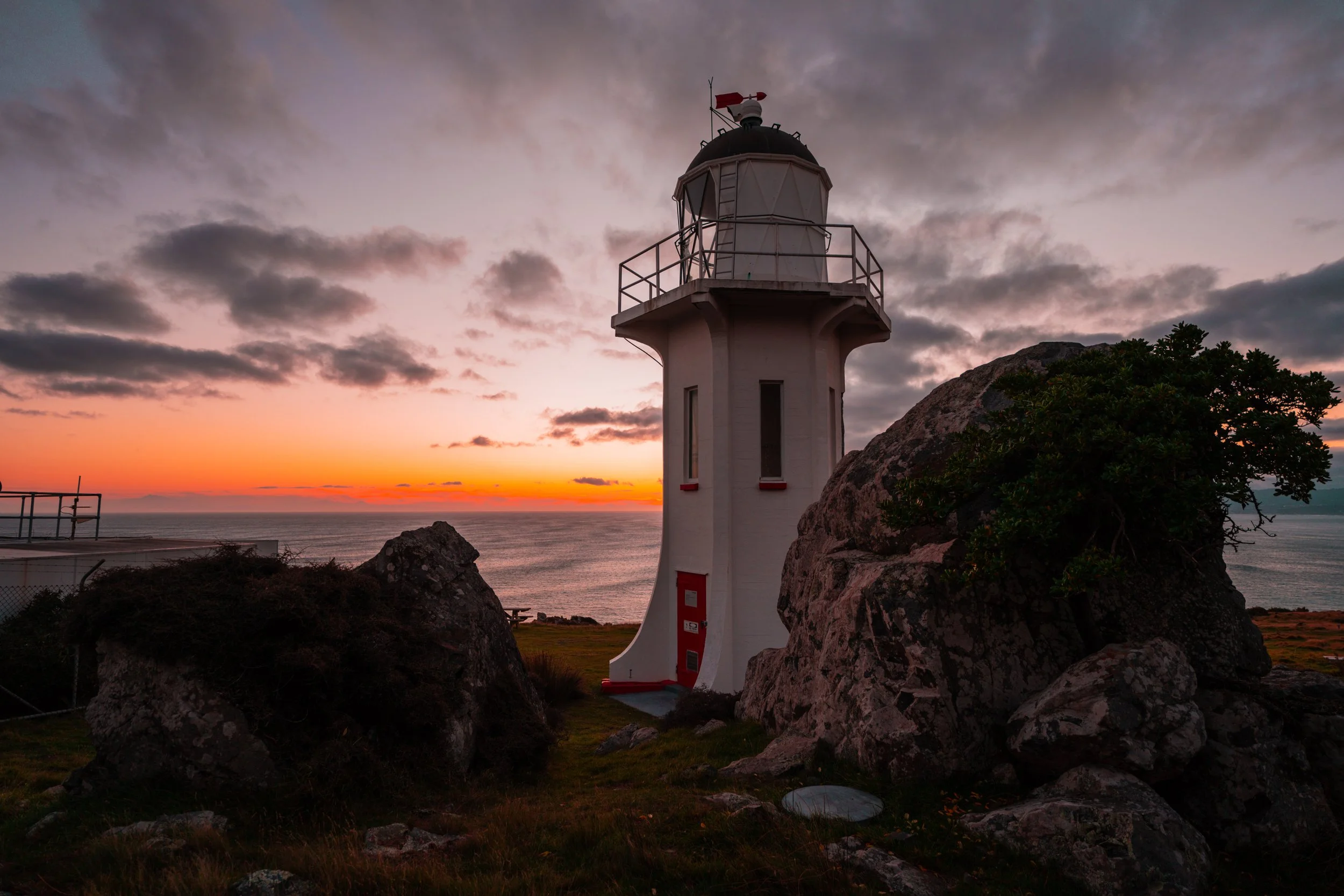
Follow Coast Road as it winds alongside the river and out to the wild coastline. At the southern edge, you’ll find Baring Head Lighthouse, standing above the meeting point of the Cook Strait and Wellington Harbour.
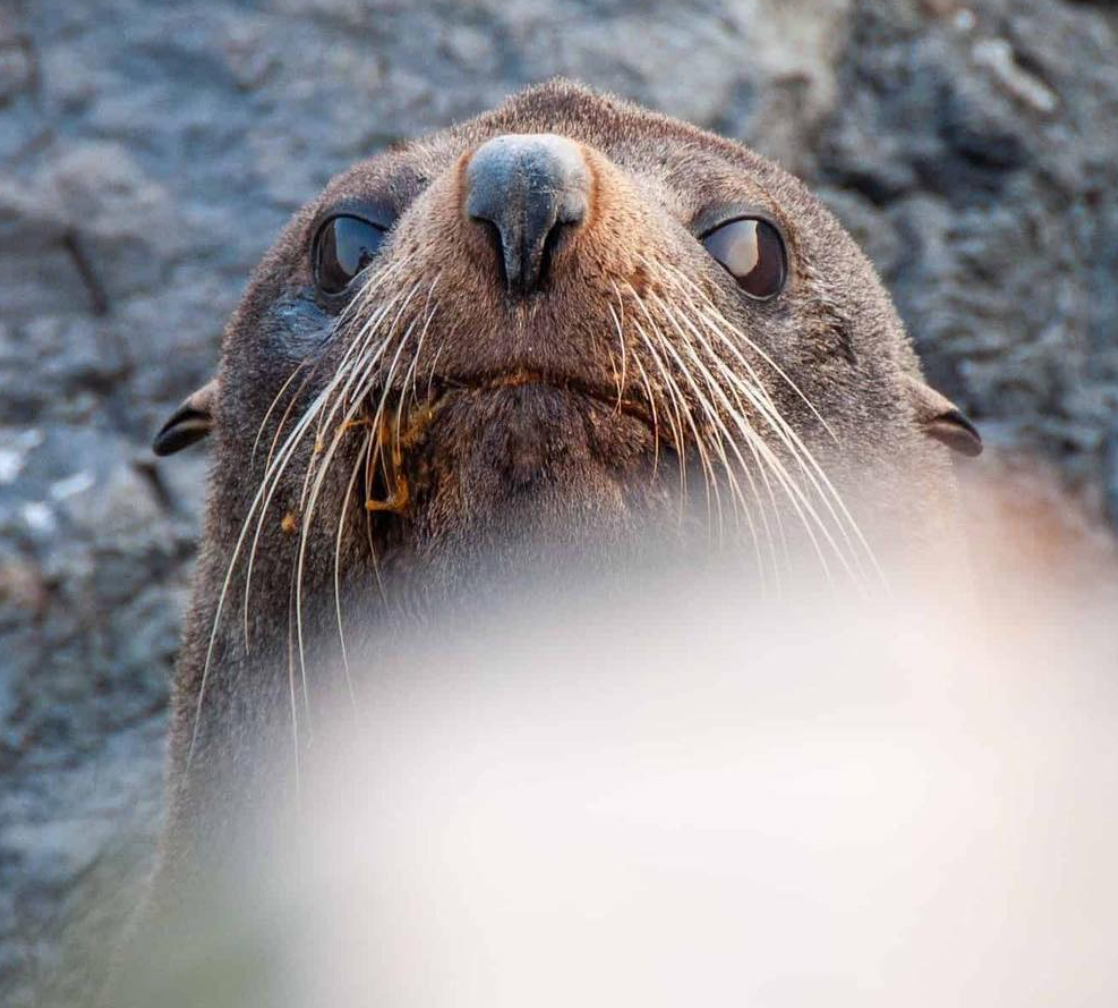
Nearby, Turakirae Head is home to one of the region’s largest fur seal colonies. It’s an easy walk with a big reward, just remember to keep a safe distance.
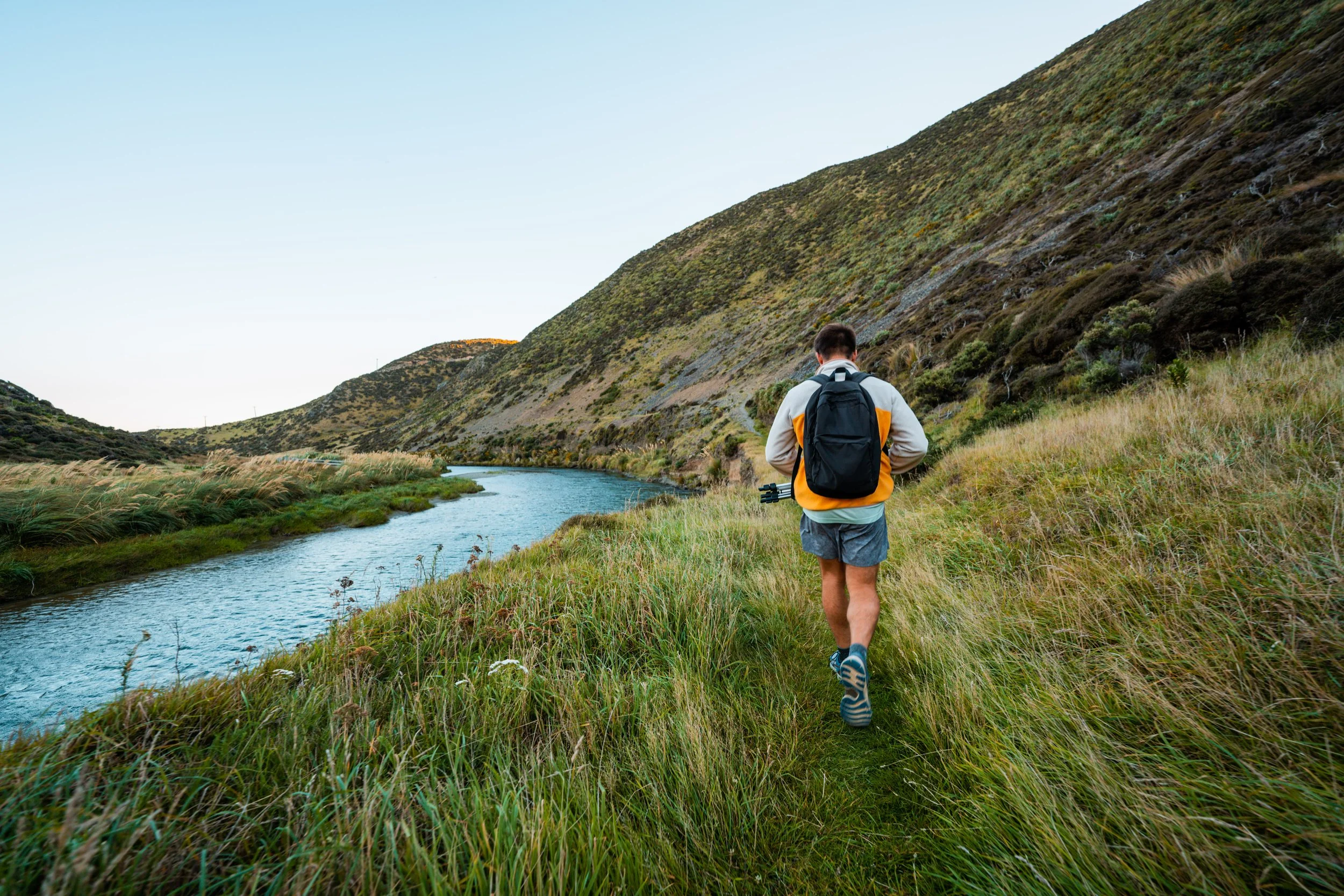
For those wanting to explore further, the area offers a mix of walking and riding options. The trails at Waiu Park range from beginner-friendly tracks to more technical rides, all set within native bush. The Wild Coast section of the Remutaka Cycle Trail is another standout for those wanting a longer adventure.
If you prefer to explore on foot, nearby Remutaka Forest Park offers a network of bush walks and overnight options, including access into the Orongorongo Valley.
What makes Wainuiomata special is its sense of space. Big landscapes, fewer crowds, and a feeling that you’ve stepped just a little further away from it all.